Sweet Pea Embroidery Font Review
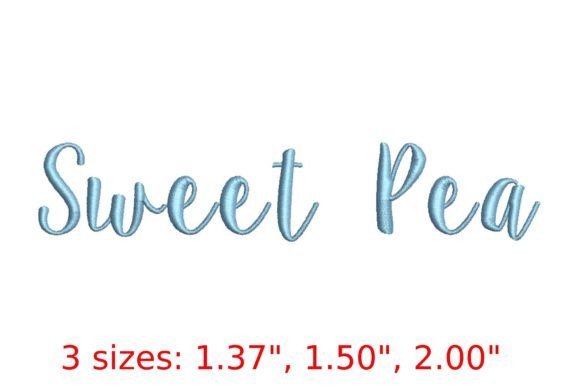
As an embroidery designer who spends hours tweaking digitizing settings and testing thread tensions, I am always on the lookout for typefaces that do more than just spell out a word. I need fonts that have character, flow, and a distinct personality that translates well from screen to fabric. Recently, I came across the Sweet Pea Embroidery Font on Creative Fabrica, and it immediately caught my eye. The description promises elegance and charm with delicate letterforms, which is exactly the kind of aesthetic I look for when creating boutique-quality pieces.
I decided to put this design asset to the test before adding it to my commercial library. My goal was to see if this graceful script could hold up in real-world applications, from small hoop personalization to larger statement pieces. Here is my honest review of how the Sweet Pea Embroidery Font performs as a machine embroidery design and what you can expect when using it for your own creative projects.
First Impressions: Visual Mood and Detail
The moment you open the file, the visual mood of the Sweet Pea Embroidery Font is clear. It is not a rigid, blocky script; it is fluid and organic. The "sweet pea" theme suggests softness, romance, and a touch of vintage botanical charm. For designers who specialize in feminine aesthetics, nursery decor, or romantic bridal items, this font offers an instant upgrade in perceived value.
The letterforms are delicate, which means they rely on fine lines and curves rather than heavy, bold strokes. This gives the design a high-end, hand-lettered feel. However, this delicacy also dictates where this font will shine and where it might struggle. It naturally fits into projects that require a gentle touch, such as baby blankets, kitchen towels, and soft pillow covers. It feels less like a standard label and more like part of the artwork itself.
Performance in Real Embroidery Work
When considering whether to use the Sweet Pea Embroidery Font for a specific product, you have to think about the medium. I tested my mental workflow for various common handmade products to see where this font would add the most value.
- Tote Bag Design: A tote bag is a canvas for branding. Using this elegant script for a monogram or a short phrase adds a sophisticated touch that appeals to buyers looking for unique, non-mass-produced accessories.
- Sweatshirt Embroidery: While sweatshirts often feature bold graphics, a subtle, cursive script can provide a lovely contrast. It works well for layering details or adding a personal name to the pocket area.
- Baby Items and Nursery Decor: This is perhaps the strongest use case. The delicate nature of the font aligns perfectly with the soft textures of muslin, cotton, and fleece used in baby gifts. It enhances the giftability of the item.
- Applique Design Potential: Although primarily a font, the flowing lines could theoretically be adapted into an applique design element, though it is best suited for direct stitching to maintain its intricate detail.
- Embroidered Patch: Small patches often benefit from clean lines. If the Sweet Pea Embroidery Font is digitized with sufficient density, it can create a beautiful focal point on a patch attached to a cap or denim jacket.
For Etsy sellers and craft fair vendors, the versatility of this digital embroidery file means you can offer personalized gifts that stand out. Customers are drawn to products that look custom-made, and a font with this much personality helps achieve that bespoke feel without requiring complex custom digitizing for every single order.
Practical Considerations for Stitching
While the aesthetic appeal is high, practical execution is where many embroidery designs fail. When working with delicate scripts like Sweet Pea, you must be mindful of several technical factors.
Hoop Size and Scale: One of the biggest challenges with delicate fonts is scaling them down too small. If you attempt to stitch this font in a very small hoop size, the individual letters may lose their definition. The curves might merge, and the "air" between the letters could disappear, resulting in a muddy stitch pattern. Always check the minimum recommended hoop size for the file. If you are creating a tiny embroidered patch or a small logo, ensure the stitch count remains manageable so the details don't get lost.
Stitch Density and Stabilizer: Because the font relies on fine lines, it likely uses a combination of satin stitch for outlines and possibly running stitch or light fill stitch for shading. High stitch density can cause puckering on lightweight fabrics like linen or thin cotton. To prevent this, using the proper stabilizer is crucial. For stretchy fabrics like those found in caps or sweatshirts, a cut-away stabilizer will help maintain the integrity of the design over time. On woven fabrics, a tear-away might suffice, but always test first.
Fabric and Thread Contrast: The elegance of Sweet Pea depends on visibility. On dark fabric, you will need bright, high-contrast threads to make the delicate letterforms pop. On light fabric, pastel or tonal threads might work, but ensure there is enough difference for the eye to catch the curves. Textured fabrics, such as terry cloth on kitchen towels or waffle weave, can hide fine details. In these cases, you may need to adjust the underlay stitches to ensure the design sits flat and clear.
Impact on Product Value and Branding
Using a high-quality, aesthetically pleasing font like Sweet Pea Embroidery Font directly impacts how customers perceive your brand. In the world of handmade commerce, presentation is everything. A beautifully stitched name on a tote bag or apron signals care and attention to detail.
When customers see a finished product with a font that has such distinct character, it elevates the item from a simple commodity to a piece of art. This perception allows for better pricing power and builds buyer trust. It shows that you have curated your design assets carefully. Furthermore, this font lends itself well to product photography. The soft curves and floral vibe create a natural, inviting composition that performs well on social media platforms like Instagram and Pinterest, driving engagement and sales.
Testing Before You Sell
I cannot stress enough the importance of testing before committing to a full production run. Even with trusted sources like Creative Fabrica embroidery files, variations in machine tension, thread quality, and fabric type can alter the outcome. Always stitch a test sample on scrap fabric that matches your final product material. Inspect the small details after stitching to ensure no gaps or overlaps exist. Check the thread color contrast under different lighting conditions. Confirm the file details and licensing terms on the Creative Fabrica product page to ensure you are compliant for commercial use.
By taking these steps, you protect your reputation and ensure that every handmade product you sell meets the high standards your customers expect. The Sweet Pea Embroidery Font is a strong candidate for anyone looking to add a touch of grace and sophistication to their embroidery portfolio. It is a versatile tool that, when used with technical care, can produce stunning results for both personal projects and commercial ventures.