Rose of Baltimore Embroidery Font Review
As an embroidery designer who spends countless hours testing stitches and fabrics, I approach every new digital file with a mix of excitement and skepticism. Recently, I received the Rose of Baltimore Embroidery Font for evaluation. My goal was simple: determine if this design holds up under the pressure of real-world commercial use. Would it stand out in a crowded Etsy marketplace? Would it survive the washing machine after being stitched onto a customer’s cherished item? After running several test runs on various materials, I have formed a clear opinion on its potential for personalized gift creation.
First Impressions: A Touch of Vintage Elegance
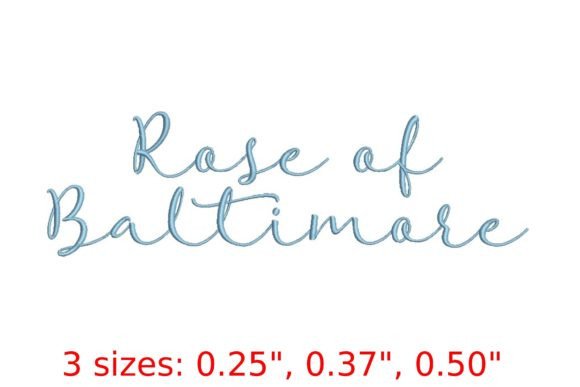
The moment I loaded the embroidery file into my software, the character of the font became apparent. Inspired by vintage calligraphy, the Rose of Baltimore Embroidery Font exudes a delicate and elegant charm. It does not scream for attention; rather, it whispers with timeless sophistication. The curves are fluid, mimicking the hand of a skilled scribe from a bygone era. This is not a modern, blocky typeface. It feels romantic, classic, and inherently handmade.
For designers looking to add a touch of grace to their products, this font hits the right emotional notes immediately. It feels sweet without being overly childish, and elegant without feeling stiff. When previewed digitally, the design promises a high-quality finish that aligns perfectly with the expectations of buyers seeking premium handmade products. It bridges the gap between traditional artistry and contemporary machine embroidery design trends.
Ideal Applications for Personalized Gifts
One of the primary questions I ask when reviewing a new design is: "What will customers actually buy?" Based on the aesthetic of the Rose of Baltimore Embroidery Font, I see immense potential in several key categories.
- Baby Embryodery and Nursery Decor: The soft, flowing lines are perfect for naming a baby or adding a gentle quote to a nursery wall hanging. Parents often look for items that feel special and heirloom-quality, and this font delivers that sentiment.
- Wedding Keepsakes: For wedding gifts, such as monogrammed towels or pillow covers, the vintage appeal works beautifully. It suggests romance and tradition, making it an excellent choice for bridal showers or honeymoon suites.
- Custom Tote Bags and Aprons: While often associated with casual wear, this font can elevate a simple canvas tote or kitchen apron into a stylish accessory. Imagine a baker receiving a custom apron with their name in this script—it adds a layer of professionalism and personal pride.
- Family Keepsakes: Whether it is a family crest, a meaningful date, or a short phrase like "Home" or "Gather," this font handles sentimental text with care. It turns ordinary household items into treasured memories.
For the Etsy seller or small shop product creator, versatility is key. This font allows you to offer a wide range of custom orders without needing multiple complex designs. A single font file can drive sales across baby blankets, embroidered towels, and decor items.
Critical Considerations for Fabric and Technique
While the visual appeal is undeniable, practical execution is where many digital embroidery file projects succeed or fail. The Rose of Baltimore Embroidery Font has delicate details that require careful handling. Here is what I learned during my testing process.
Fabric Texture and Stability: Because the letterforms contain fine serifs and thin connections, they do not perform well on heavily textured fabrics. Thick towels, bouclé throws, or rough burlap can obscure the intricate details, causing the design to look muddy or broken. For the best results, stick to smooth cottons, linens, or tightly woven blends. When creating an embroidered towel or a crisp pillow cover, the fabric should be flat and stable.
Stabilizer Selection: To prevent puckering and maintain the integrity of the thin lines, using the proper stabilizer is non-negotiable. A cut-away stabilizer is recommended for garments and items that will undergo frequent stress, while a tear-away may suffice for rigid home decor items. Without adequate support, the stitch density might cause the fabric to distort, ruining the elegant silhouette.
Thread Color Contrast: The font relies on contrast to define its shapes. On dark fabrics, ensure your thread color provides enough visibility. Conversely, on very light fabrics, avoid threads that are too similar in tone, as the delicate edges may disappear. Testing different thread colors against your specific fabric swatches is essential before committing to a production run.
Where to Use Caution
There are specific scenarios where this font may not be the best choice. Designers must be wary of the following limitations:
- Small Lettering: Do not attempt to shrink this font too small. The fine details will become illegible and difficult to stitch accurately. Keep the size large enough to preserve the calligraphic flair.
- Stretchy Fabrics: Avoid using this design on stretchy baby clothes or jersey knits unless you are extremely confident in your hooping and stabilizing techniques. Stretch can distort the straight lines and curves, leading to a misshapen final product.
- Curved Surfaces: Embroidering directly onto curved surfaces, like the side of a mug or a rounded hat brim, can be challenging. The tension variations may cause the delicate threads to break or pucker.
- Frequent Washing: If the finished product is intended for heavy daily use and washing, ensure the stitching is dense enough to withstand abrasion. Delicate designs can fray over time if not reinforced properly.
Impact on Giftability and Perceived Value
In the world of online selling, perception is reality. The Rose of Baltimore Embroidery Font significantly enhances the perceived value of a personalized gift. When a customer sees a beautifully executed script font, they associate it with higher quality and more effort than a standard block lettering. This emotional connection drives engagement and trust.
For the handmade seller, this means you can position your products at a premium price point. The font suggests care, attention to detail, and artistic intent. In product photography, a close-up shot of the intricate stitching can serve as a powerful marketing tool, showcasing the craftsmanship behind the finished product.
Practical Next Steps for Designers
Before adding this to your inventory, I recommend taking the following steps:
- Test on Scrap Fabric: Always stitch a sample on the exact fabric you plan to sell. Check how the thread interacts with the material.
- Review Stitch Density: Zoom in on the digital preview to ensure no areas are too sparse or too crowded.
- Check Commercial Licensing: Confirm the license terms for the Rose of Baltimore Embroidery Font before selling any physical goods. Ensure you are permitted to create and sell finished items.
- Create Printable Mockups: Use digital mockups to visualize the design on various products like blanket embroidery or tote bags. This helps in planning your Etsy listings and advertising.
The Rose of Baltimore Embroidery Font is a strong addition to any designer’s library, particularly for those focusing on sentimental, vintage-inspired commercial embroidery. By respecting its delicate nature and choosing appropriate materials, you can create stunning personalized gifts that resonate with customers and stand the test of time.