Octin College Regular Embroidery Font Review
As an embroidery designer who has spent years translating digital concepts into tangible, stitched reality, I know that the difference between a mediocre product and a premium one often comes down to typography. For small business owners, Etsy sellers, and merch creators, the font you choose isn’t just about readability; it is about brand identity. Today, I am reviewing the Octin College Regular Embroidery Font, a design asset that promises to elevate your projects with a timeless and professional look. Whether you are crafting monograms for a boutique or creating text for staff uniforms, understanding how this font performs in real-world applications is crucial.
First Impressions: Timeless Professionalism Meets Approachability
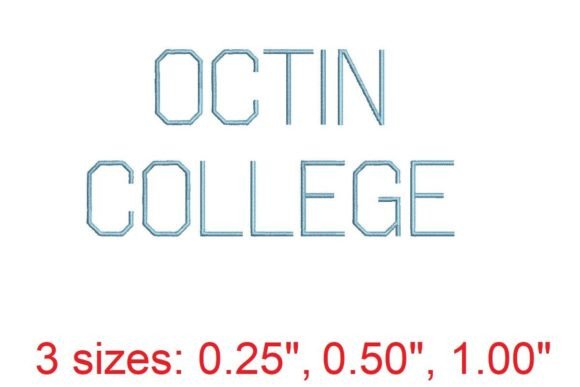
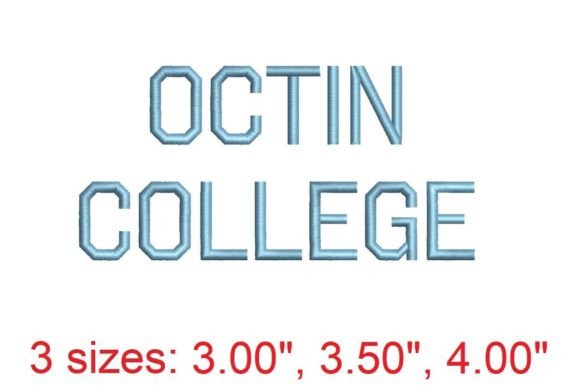
When I first loaded the Octin College Regular Embroidery Font into my digitizing software, the immediate impression was one of balanced clarity. The name itself suggests an academic or collegiate influence, which often implies structure, tradition, and trustworthiness. However, the "Regular" weight keeps it from feeling too rigid or heavy-handed. In the world of machine embroidery design, legibility at small scales is paramount, and Octin College strikes a compelling balance between classic elegance and modern accessibility.
This font does not scream for attention with decorative flourishes; instead, it whispers confidence. It feels premium yet approachable, making it an excellent candidate for brands that want to project professionalism without appearing sterile. For a local café, a handmade jewelry shop, or a creative studio, this typeface offers the visual consistency needed to build customer trust. It bridges the gap between a playful, handmade aesthetic and a polished, corporate-ready appearance.
Real-World Business Applications
The true test of any embroidery file is how it holds up when applied to various merchandise items. Based on its structural integrity, here is how Octin College Regular Embroidery Font performs across different small business merch categories:
- Embroidered Patches: This font excels in patch work. Whether you are creating iron-on patches for denim jackets or sewn-on labels for tote bags, the clean lines ensure that even short phrases remain readable. It serves as a perfect accent for chest logos or sleeve details where space is limited but impact is high.
- Staff Uniforms and Aprons: For bakeries, florists, or retail boutiques, uniformity is key. Using Octin College Regular Embroidery Font on apron embroidery creates a cohesive team look. It looks authoritative yet friendly, reinforcing brand recognition every time a customer interacts with staff.
- Caps and Headwear: Cap embroidery requires fonts that can navigate curved surfaces without losing definition. The regular weight of this font provides enough visual presence to stand out against the curve of a cap front, ensuring your logo remains visible from a distance.
- Tote Bag Design: Canvas and cotton totes are staples for crafters and bookstores. A simple, centered wordmark using this font adds a sophisticated touch to tote bag design. It pairs beautifully with minimalist illustrations, allowing the typography to take center stage.
- Product Packaging Accents: Beyond apparel, consider using this font for embroidered tags attached to product packaging. It elevates the unboxing experience, signaling to the buyer that the handmade product inside is of high quality.
Brand Identity and Customer Trust
In the competitive landscape of commercial embroidery, visual consistency is what separates amateur hobbyists from established brands. Octin College Regular Embroidery Font contributes significantly to brand identity by offering a neutral yet refined backdrop for your logo. It enhances customer trust because it avoids trends that may quickly date your merchandise. Instead, it offers a classic appeal that resonates across demographics. When a customer sees this level of typographic care on a custom apparel item, they subconsciously associate that attention to detail with the quality of the core product.
Where to Use Caution: Technical Limitations
Even the best digital embroidery file has its limits. As a designer, I advise clients to be mindful of where and how they apply Octin College Regular Embroidery Font:
- Small Patch Sizes: While the font is clear, extremely small patches (under 2 inches) may cause fine details to merge. Always test the design at the actual production size before committing to bulk orders.
- Curved Surfaces: On highly curved items like fitted hats or rounded containers, lettering can distort. Ensure your digitizer accounts for the curvature to prevent stretching or compression of the letters.
- High Stitch Density: If you plan to use dense fills rather than outlines, check the stitch density carefully. Excessive density on thin fabrics can cause puckering, while insufficient density on dark fabrics may show through the backing.
- Fabric Texture: On heavily textured fabrics like chunky knits or raw canvas, fine serifs or thin strokes might get lost. In such cases, bold variations or simplified outlines are safer choices.
- Dark Uniforms: Contrast is critical. Ensure you select thread colors that provide sufficient contrast against dark backgrounds. Light gray or white threads may require underlay stitches to pop effectively.
Practical Designer Notes for Production
To ensure your final finished product meets professional standards, follow these essential steps before launching your merchandise line:
- Test in Black and White: Before selecting thread colors, view the design in grayscale. This helps identify spacing issues and ensures the font remains legible regardless of color.
- Check Hoop Size: Confirm that the hoop size accommodates your intended design area. Larger designs may require multiple hooping positions, which can introduce alignment risks.
- Use Proper Stabilizer: The choice of stabilizer (cut-away vs. tear-away) depends on the fabric. For stretchy materials like jersey or fleece, a cut-away stabilizer is non-negotiable to maintain shape over time.
- Create a Printable Mockup: Provide clients with a printable mockup for approval. Visualizing the design on the actual garment helps manage expectations regarding scale and placement.
- Inspect Spacing and Thread Colors: Manually review the kerning and spacing in your digitizing software. Adjust thread colors to ensure harmony with the brand palette.
- Confirm Commercial Licensing: Before selling products made with this font, verify the commercial licensing terms. Most design assets require a specific license for resale, so protect your business by staying compliant.
Final Verdict
The Octin College Regular Embroidery Font is a versatile, reliable tool for any embroiderer looking to add a touch of sophistication to their design assets. Its ability to convey professionalism while remaining accessible makes it ideal for a wide range of industries, from education-focused brands to lifestyle boutiques. By paying attention to technical details like stitch density, stabilizer choice, and fabric texture, you can leverage this font to create high-quality embroidered patches, uniforms, and accessories that strengthen your brand’s visual narrative.
For those entering the Back To School market or launching new seasonal collections, this font offers a timeless appeal that transcends fleeting trends. It is a smart investment for anyone serious about building a recognizable, trustworthy brand through embroidery. Remember to always test your designs on real fabric and consult the specific file details provided by the creator to ensure optimal performance in your production workflow.