Blueberry Muffin Embroidery Font Review
As an embroidery designer who spends hours testing stitches and debating thread colors, I approach every new digital download with a mix of excitement and skepticism. We all know that a beautiful design on screen does not always translate perfectly to the hoop. Recently, I pulled the Blueberry Muffin Embroidery Font from my library to test for a specific project: a line of personalized gifts for a local boutique and my own Etsy shop. The product description promised sweetness and seamless compatibility with the popular PES file format, but as any seasoned maker knows, the proof is in the stitching.
I wanted to see if this font truly captured the charm needed for high-end handmade products or if it was just another trendy addition to the cluttered market. After running several test runs on various fabrics, here is my honest review of how this machine embroidery design performs when turned into a tangible, emotional keepsake.
First Impressions: Mood and Charm
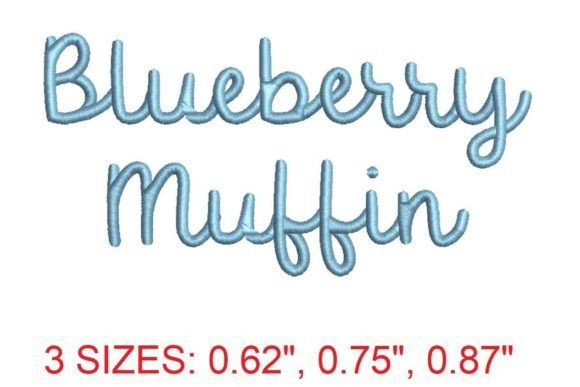
The moment I loaded the file into my embroidery software, the character of the font became clear. It isn’t stiff or overly formal; instead, it carries a soft, rounded aesthetic that feels incredibly inviting. The name "Blueberry Muffin" suggests something warm, homemade, and comforting, and the lettering delivers exactly that. It has a playful yet elegant quality that strikes a perfect balance between modern typography and traditional hand-lettered charm.
For designers looking to create personalized gift items, this mood is crucial. When a customer receives a baby blanket or a kitchen towel, they are buying more than fabric; they are buying a feeling. This font evokes nostalgia and warmth. It feels sweet without being cloying and romantic without being overly delicate. Whether you are creating items for a nursery, a wedding shower, or a cozy home decor collection, the visual appeal of these letters sets a tone of care and attention to detail.
Best Use Cases for Personalized Products
In my testing, I found that the Blueberry Muffin Embroidery Font shines brightest on larger surface areas where its curves can breathe. Here is where I believe this embroidery file will perform exceptionally well for your customers:
- Baby Embroidery Projects: The soft edges of the letters make it ideal for baby blankets, bibs, and muslin cloths. It looks gentle and safe, avoiding the harshness of blocky sans-serifs while remaining legible enough for names or dates.
- Kitchen Towels and Aprons: There is a rustic, farmhouse charm to this font that pairs beautifully with cotton tea towels. Imagine a monogrammed apron for a bride-to-be or a set of matching kitchen towels for a housewarming gift. The font adds a touch of personality that elevates a simple utility item into a cherished handmade product.
- Nursery Decor and Pillow Covers: When used on a pillow cover or a wall hanging, the font creates a focal point. It works wonderfully for quoting lullabies or displaying a child’s name. The visual weight of the letters holds up well against busy patterns or solid pastel backgrounds.
- Wedding Keepsakes and Tote Bags: For wedding favors, such as custom tote bags for guests or embroidered handkerchiefs, this font offers a timeless elegance. It feels classic rather than fleeting, ensuring the gift remains relevant years after the event.
For Etsy sellers and small business owners, versatility is key. This font allows you to pivot between categories easily. You can list the same design file under "Back To School" supplies for teacher appreciation gifts or reposition it under "Wedding Gifts" for bridal showers. Its adaptability makes it a valuable asset in your digital embroidery file inventory.
Where to Exercise Caution
No single design is perfect for every application. While I love the charm of this font, there are specific scenarios where it may struggle. As a professional, I advise you to be mindful of the following limitations:
- Small Lettering: If you attempt to stitch very small text, such as tiny initial tags or fine print on a label, the details of the font may get lost. The curves might merge together, resulting in a muddy appearance. Always keep text sizes generous to maintain clarity.
- Delicate Details and Stitch Density: Check the stitch density closely. If the design relies on tight fills in small spaces, it may become stiff and bulky. Avoid using this on stretchy baby clothes like onesies unless you use a high-quality stretch stabilizer, as the bulk could distort the fabric.
- Textured Fabrics: Highly textured materials, such as thick terry cloth towels or bouclé fabrics, can hide the definition of the letters. On an embroidered towel, the texture competes with the thread, potentially reducing readability.
- Curved Surfaces: Attempting to embroider this font on curved surfaces like mugs (if using transfer methods) or tightly fitted hats can cause distortion. Flat or slightly curved surfaces like tote bags work best.
- Dark Fabric Contrast: Ensure you have sufficient contrast. Light threads on dark fabric may require additional padding or a backing layer to pop, which can add unnecessary bulk.
Impact on Giftability and Perceived Value
In the world of handmade commerce, presentation is everything. The right font significantly influences perceived value. A well-executed design using the Blueberry Muffin Embroidery Font signals professionalism and thoughtfulness. When a buyer sees clean, consistent stitching with appropriate thread colors, their trust in your brand increases.
This font also enhances product photography. Because of its distinct shape and charm, it photographs beautifully. In listings, clear images of the font’s texture and quality can drive higher engagement and conversion rates. Customers can visually connect with the warmth of the design, making them more likely to purchase it as a meaningful custom embroidery gift.
Practical Embroidery Notes for Success
To ensure your finished product meets the highest standards, follow these practical steps before accepting customer orders:
- Test on Scrap Fabric: Never assume a design will stitch out perfectly on your final material. Run a test on the exact fabric type you plan to sell.
- Check Thread Color Contrast: Experiment with different thread colors. Sometimes a subtle contrast looks more sophisticated than a stark one.
- Confirm Hoop Size: Ensure your hooping method supports the size of the text. Larger designs may require multiple hoops, which can affect alignment.
- Review Stitch Density: Look at the density settings in your software. If it seems too dense, reduce it to prevent puckering, especially on lightweight fabrics.
- Use Proper Stabilizer: Match your stabilizer to your fabric. Cut-away stabilizers are generally safer for permanent gifts, while tear-away may suffice for temporary projects.
- Compare Mockups: Create both light and dark fabric mockups to visualize the final look. Digital previews help manage customer expectations.
- Check Small Details: Zoom in on your digitizing software to inspect small loops and tails. Ensure they are trimmed correctly to avoid loose threads.
- Confirm Commercial Licensing: Before selling any commercial embroidery products, verify that your license allows for commercial use. This protects your business and respects the designer’s rights.
The Blueberry Muffin Embroidery Font is a delightful addition to any designer’s toolkit. It brings a sense of joy and warmth to every stitch, making it an excellent choice for creators who want to produce heartfelt, high-quality gifts. By understanding its strengths and respecting its limitations, you can create stunning finished products that customers will cherish. Remember, while the digital file provides the blueprint, your skill and attention to detail bring the magic to life.