Armata Hairline Embroidery Font Review
I have spent the last decade designing for craft fairs, handmade markets, and online boutiques. I know that a product only has three seconds to grab a customer’s attention before they walk past your booth. When I pulled up Armata Hairline Embroidery Font, my first thought was not about utility, but about presence. This font exudes elegance and sophistication, making it the perfect choice for adding a touch of class to your designs. Whether you are embroidering monograms, text, or simple phrases, this digital embroidery file offers a distinct visual language that stands out against the usual bold, chunky lettering found in mass-produced goods.
As an experienced designer preparing for a weekend market, I look at every new asset through the lens of sellability. Does it photograph well? Is it easy to produce in batches? Does it elevate the perceived value of a craft fair product? Here is my real-world review of how Armata Hairline Embroidery Font performs when turned into tangible, handcrafted items.
The First Impression: Elegance Over Noise
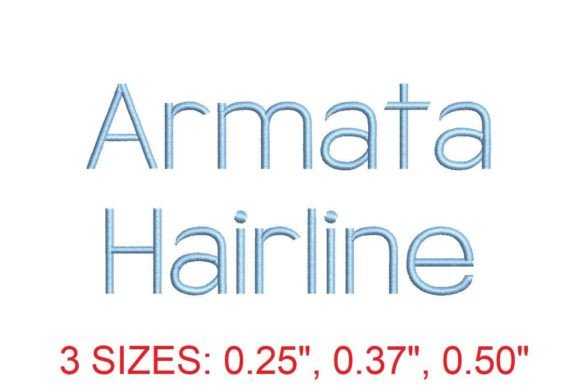
In a sea of rustic farmhouse fonts and playful script typefaces, Armata Hairline Embroidery Font feels premium. The term "hairline" suggests thin, delicate strokes, which immediately signals sophistication rather than casual fun. For the modern consumer, particularly those looking for handmade product gifts, this aesthetic hits the sweet spot between minimal and decorative. It does not shout; it whispers quality.
When I imagine this on a display table, it does not compete with bright colors or loud patterns. Instead, it allows the fabric texture to breathe while providing a sharp, clean focal point. This is crucial for Etsy seller listings where customers scroll quickly. A design that looks refined in a thumbnail often translates to higher click-through rates because it promises a polished finished product.
Product Applications and Market Fit
Not all embroidery designs work equally well on every item. Based on the characteristics of Armata Hairline Embroidery Font, here is where it will shine brightest in your inventory:
- Tote Bag Design: A structured canvas tote with a single line of hairline text across the chest is timeless. Because the lines are thin, the design remains lightweight and flexible, preventing the bag from becoming stiff—a common complaint with heavy embroidery.
- Apron Embroidery: For kitchen-focused buyers, placing this font near the pocket or hem adds a subtle touch of style without overwhelming the garment. It pairs beautifully with neutral linen or denim aprons.
- Tea Towel Embroidery: These are high-volume sellers at craft fairs. The hairline style works exceptionally well for short phrases or names, creating a sophisticated look that complements home decor trends.
- Embroidered Patch: If you offer custom patches, this font gives a sleek, modern badge feel. It looks professional on backpacks or jackets, appealing to a slightly older demographic than typical novelty patches.
- Fabric Pouches and Small Goods: On smaller surfaces like zipper pouches or cosmetic bags, large bold fonts can look cluttered. Armata Hairline Embroidery Font fits perfectly in these confined spaces, maintaining legibility and grace.
- Pillow Covers: For bedroom or living room accents, this font adds a boutique hotel vibe. It elevates a standard throw pillow into a luxury item.
Production Practicality and Batch Efficiency
For any small shop product creator, time is money. One of the biggest advantages of this font is its consistency. Because it relies on uniform thin lines, it is generally easier to digitize cleanly than complex scripts with varying thicknesses. However, there are critical technical considerations.
You must pay close attention to stitch density. While the visual weight is light, the machine still needs to lay down thread. If the density is too high, the fabric may pucker, especially on lightweight materials like cotton tea towels or sheer fabrics used for embroidery projects. Conversely, if the density is too low, the hairline threads may show gaps or lack opacity. Always test the design on scrap fabric to ensure the stitch coverage is even.
Another key factor is the hoop size. Ensure the design fits comfortably within your most frequently used hoops (such as 4x4 or 5x7 inches) to maximize efficiency. If the design requires multiple hooping steps for a small area, production time increases, which eats into your profit margin.
Visual Appeal and Customer Engagement
At a craft fair, your booth display strength relies on contrast and clarity. Armata Hairline Embroidery Font performs best when paired with high-contrast thread colors. Think white thread on navy blue, black thread on cream, or metallic gold on blush pink. The thin lines require a clear background to be readable from a distance.
This font also photographs incredibly well for online listings. The clean lines translate sharply in digital images, allowing potential buyers to see the detail clearly. When you create a printable mockup for your social media or website, the elegance of the font communicates professionalism. It tells the buyer that you care about the details, which justifies a higher price point for your commercial embroidery goods.
Furthermore, the sophistication of this font appeals to gift-givers. People often buy handmade items for weddings, baby showers, or corporate gifts. Armata Hairline Embroidery Font feels appropriate for these formal occasions, whereas more casual fonts might not. It bridges the gap between personalization and polish.
Careful Use Notes and Troubleshooting
While this font is elegant, it is not foolproof. There are specific scenarios where it may lose clarity:
- Small Lettering: Avoid scaling the design too small. Hairline fonts can become illegible if the letters are narrower than a certain threshold. Stick to mid-size applications for best results.
- Thick Fabric and Texture: Highly textured fabrics, such as thick terry cloth or boucle, can obscure fine details. The thread may sink into the weave, making the hairline disappear. Test on your actual product fabric whenever possible.
- Curved Surfaces: Embroidering on caps or rounded pouches can distort thin lines. The curvature may stretch the design, causing the hairline threads to break or look uneven. Consider using a specialized cap hoop and reducing the scale slightly to accommodate the curve.
- Dense Stitch Areas: Even though the lines are thin, if the design includes long continuous stitches, tension issues may arise. Check your thread tension settings and consider using a topstitch needle to reduce friction.
Final Designer Verdict
Armata Hairline Embroidery Font is a powerful tool for any digital seller or boutique maker looking to expand their range with sophisticated items. It transforms basic blanks into premium gifts. By focusing on high-quality fabrics, proper stabilizer usage, and strategic color choices, you can leverage this font to create products that stand out in both physical booths and online marketplaces.
Remember to check the specific design assets provided, including recommended thread colors and any licensing terms for commercial embroidery sales. Once you have confirmed those details, run a few tests, create your mockups, and watch how this elegant font elevates your brand. It is a smart investment for anyone serious about selling high-end handmade goods.